Choosing the Right Tomato Varieties
When embarking on the journey of growing tomatoes in your home garden, understanding the various tomato varieties is key to achieving a successful harvest. Among the many types, two primary categories stand out: determinate and indeterminate tomatoes. Each has unique growth habits that cater to different gardening styles and limited spaces.
Determinate tomatoes, often referred to as “bushy” varieties, grow to a certain height and then stop, producing a crop over a short period. This makes them ideal for gardeners who wish to harvest all at once, often for canning or preservation. Common examples include ‘Roma’ and ‘Celebrity’ tomatoes, known for their firm texture and rich flavor, suitable for sauces and salsa.
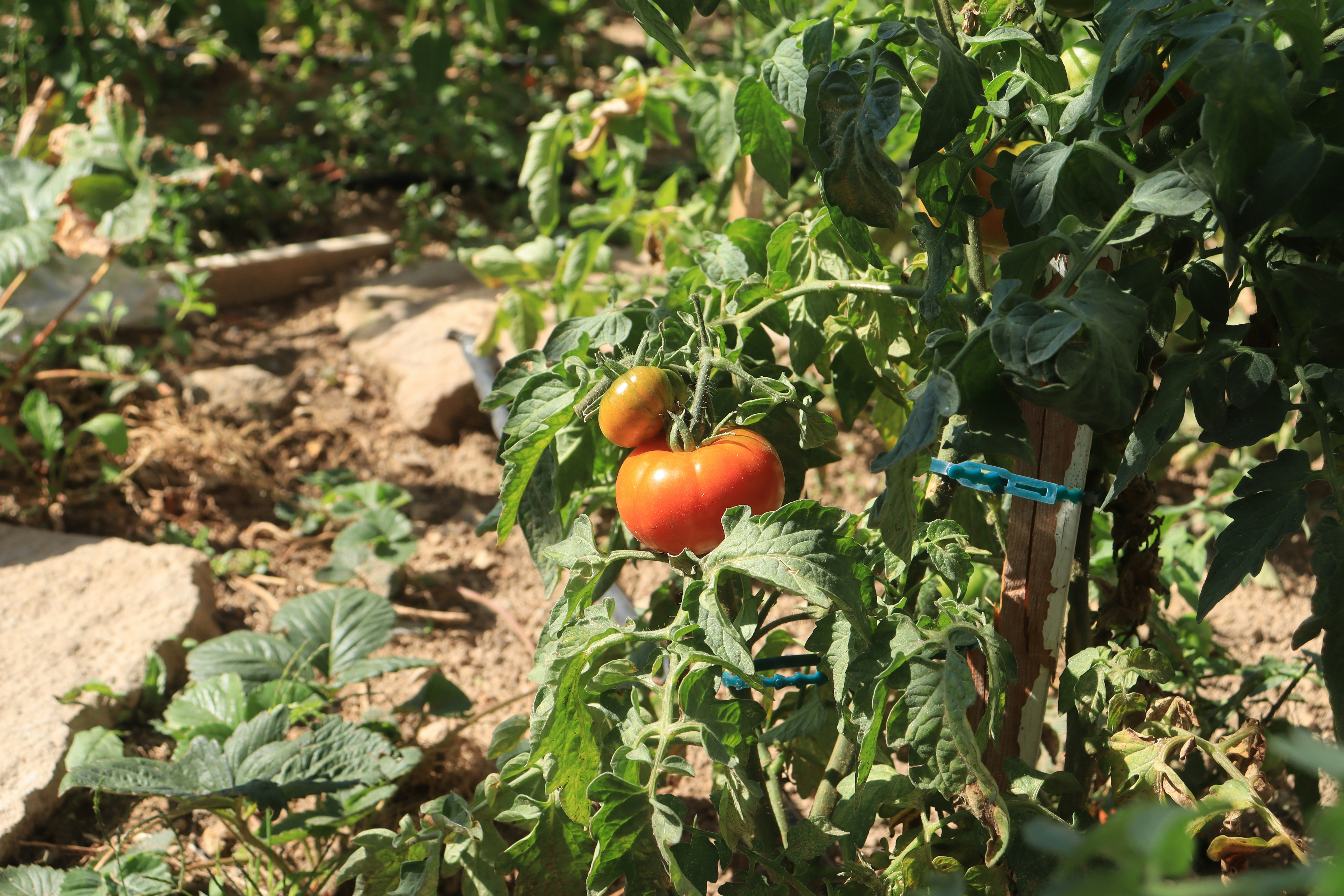
In contrast, indeterminate tomato varieties continue to grow and produce fruit throughout the season, offering a steady harvest. These tomatoes, such as ‘Brandywine’ and ‘Sun Gold,’ are perfect for gardeners who enjoy fresh eating and want to savor the flavors of ripe tomatoes over an extended period. Their growth habit often requires additional support, such as stakes or cages, as they can reach significant heights.
Additionally, cherry and beefsteak tomatoes should not be overlooked. Cherry tomatoes are small, frequently sweet, and make excellent snacks or additions to salads. Varieties like ‘Sweet 100’ or ‘Yellow Pear’ are popular among home gardeners. On the other hand, beefsteak tomatoes are renowned for their large size and meaty texture, making them perfect for sandwiches and burgers. Varieties such as ‘Big Beef’ and ‘Mortgage Lifter’ are favorites for their flavor and versatility.
When selecting tomato varieties, it’s important to consider your local climate, available space, and personal taste preferences. Pay attention to your region’s growing conditions, as some varieties thrive better in specific climates. Choosing the right tomato varieties tailored to your needs will set you on the path toward a bountiful and rewarding gardening experience.
Essential Tools and Equipment for Tomato Gardening
Successful tomato gardening is highly dependent on having the right tools and equipment. One of the most basic yet essential tools is the trowel. This handy tool can be used for digging, turning soil, and transplanting seedlings. When selecting a trowel, opt for a sturdy model with a comfortable grip to facilitate prolonged use. You can find quality trowels at most garden centers or online retailers.
Another important item in your tomato gardening toolkit is a pair of pruning shears. Pruners are essential for maintaining plant health, allowing gardeners to remove dead or overcrowded growth. Proper pruning encourages airflow, prevents disease, and ultimately boosts tomato yield. Ensure to choose a lightweight pair with sharp blades for precise cuts, which can greatly enhance your ability to care for your plants.
Support systems such as stakes or cages are equally vital in tomato gardening. As tomato plants grow, they require adequate support to elevate their fruit and prevent damage to stems. A variety of staking methods and cages are available, including steel and wooden options. When the time comes to purchase these tools, click here to go to our Shop page where we have numerous options to choose from. All the items are from our affiliate partner Amazon, and are highly reviewed.
Soil testers are invaluable for ensuring the correct pH levels and nutrient content in your gardening soil. These testers help assess the suitability of your soil for growing tomatoes, guiding you in making necessary amendments. A kit can be purchased from gardening supply stores, providing you with instant feedback on your soil’s condition.
Lastly, an efficient watering device, such as a hose with a spray nozzle or drip irrigation system, is crucial for delivering consistent moisture to your plants. Tomato plants thrive on regular watering, especially during dry spells. Invest in a quality watering tool that promotes deep and even hydration to boost growth and fruit production. Additionally, remember that using organic fertilizers can elevate the nutrient value of your soil, leading to vibrant and healthy tomato plants.
Planting and Caring for Your Tomato Plants
Successful cultivation of tomato plants begins with careful consideration of soil preparation. Tomatoes thrive in well-drained, nutrient-rich soil with a pH range of 6.0 to 6.8. To prepare the soil, incorporate organic matter such as compost or well-rotted manure, which not only enriches the soil but also enhances its structure. This preparation should ideally occur a couple of weeks before planting to allow the nutrients to integrate fully.
When it comes to planting techniques, spacing is crucial. Tomato plants should be spaced 18 to 24 inches apart in rows that are 3 to 4 feet apart. This arrangement promotes good airflow, reducing the risk of diseases while also maximizing sunlight exposure. Planting should occur after the last frost date when the soil temperature has reached at least 60°F, as tomatoes are sensitive to cold.
Adhering to a consistent watering schedule is essential for the health of your tomato plants. Generally, tomatoes require about 1-2 inches of water per week, ideally provided through deep watering at the base of the plants to encourage root development. Additionally, mulching around the plants can help retain soil moisture and reduce weed competition, which is particularly beneficial in hotter climates.
Sunlight is another critical factor; tomato plants need at least 6-8 hours of direct sun each day for optimal growth. Incorporating companion planting can prove beneficial as well. Herbs like basil or flowers such as marigolds not only enhance the garden’s aesthetic but also provide pest deterrence. Common pests, such as aphids and tomato hornworms, can be managed through organic methods, including introducing beneficial insects like ladybugs, or using insecticidal soap as a preventive measure.
As you cultivate your tomatoes, being observant for signs of common diseases such as blight or blossom end rot will allow for timely intervention, ensuring the plants remain healthy throughout the growing season.
Harvesting and Storing Your Tomato Bounty
Harvesting tomatoes at the right time is crucial for achieving the best flavor and texture. Tomatoes continue to ripen after being picked, so understanding the signs of ripeness is essential. Generally, tomatoes are ready to be harvested when they exhibit a deep color, depending on their variety, and the fruit feels firm yet slightly yielding when gently squeezed. Additionally, the texture of the skin should be smooth, and the stem should be easily detachable with a light pull, indicating that it is ripe.
When it comes to the proper technique for picking tomatoes, it is recommended to use a twisting motion to avoid damaging the stem or the fruit itself. A pair of garden scissors can be beneficial for cutting through the stem cleanly, ensuring minimal injury to the plant and maximizing the quality of the fruit. Picking tomatoes in the morning, when temperatures are cooler, can help maintain their freshness and prevent spoilage.
Once you have harvested your tomatoes, proper storage techniques will help maintain their freshness. It is advisable to store ripe tomatoes at room temperature away from direct sunlight. Refrigeration can negatively affect their texture and flavor, so it should be avoided unless the tomatoes are overly ripe and need to be preserved. For longer-term preservation, consider options such as canning, drying, or making sauces. Canning allows you to store tomatoes in jars, sealed with lids, which can be preserved for months. Drying tomatoes, either through a dehydrator or by air-drying, concentrates their flavor, perfect for adding to dishes. Alternatively, creating homemade sauces is an excellent method to utilize your bounty, allowing you to enjoy the taste of summer throughout the year.
In conclusion, harvesting your tomatoes at the right time and utilizing proper storage techniques ensures that you can enjoy your homegrown bounty for as long as possible. With these methods, the rich flavors of homegrown tomatoes can be sustained well beyond the peak of their growing season.