Understanding Raised Gardens
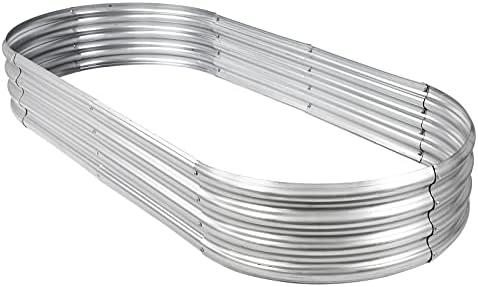
Raised gardens, often referred to as raised bed gardens, are garden plots that are elevated above the surrounding soil level, typically framed with materials such as wood, stone, or metal. These structures vary in design, ranging from simple rectangular boxes to more elaborate shapes and sizes, allowing for flexibility in both aesthetics and functionality. The raised beds are filled with a specially formulated soil mix, which promotes optimal growing conditions for various plants.
One of the primary benefits of raised gardens is their ability to improve soil quality. Since raised beds consist of a controlled soil mix, gardeners can tailor the nutrient levels to suit specific plants, leading to healthier crops. This contrasts with traditional gardens, where soil is often compacted and may lack essential nutrients. Additionally, the elevated design of raised gardens facilitates better drainage. Excess water can escape easily from the raised beds, reducing the risk of root rot and other moisture-related issues that can plague conventional garden plots.
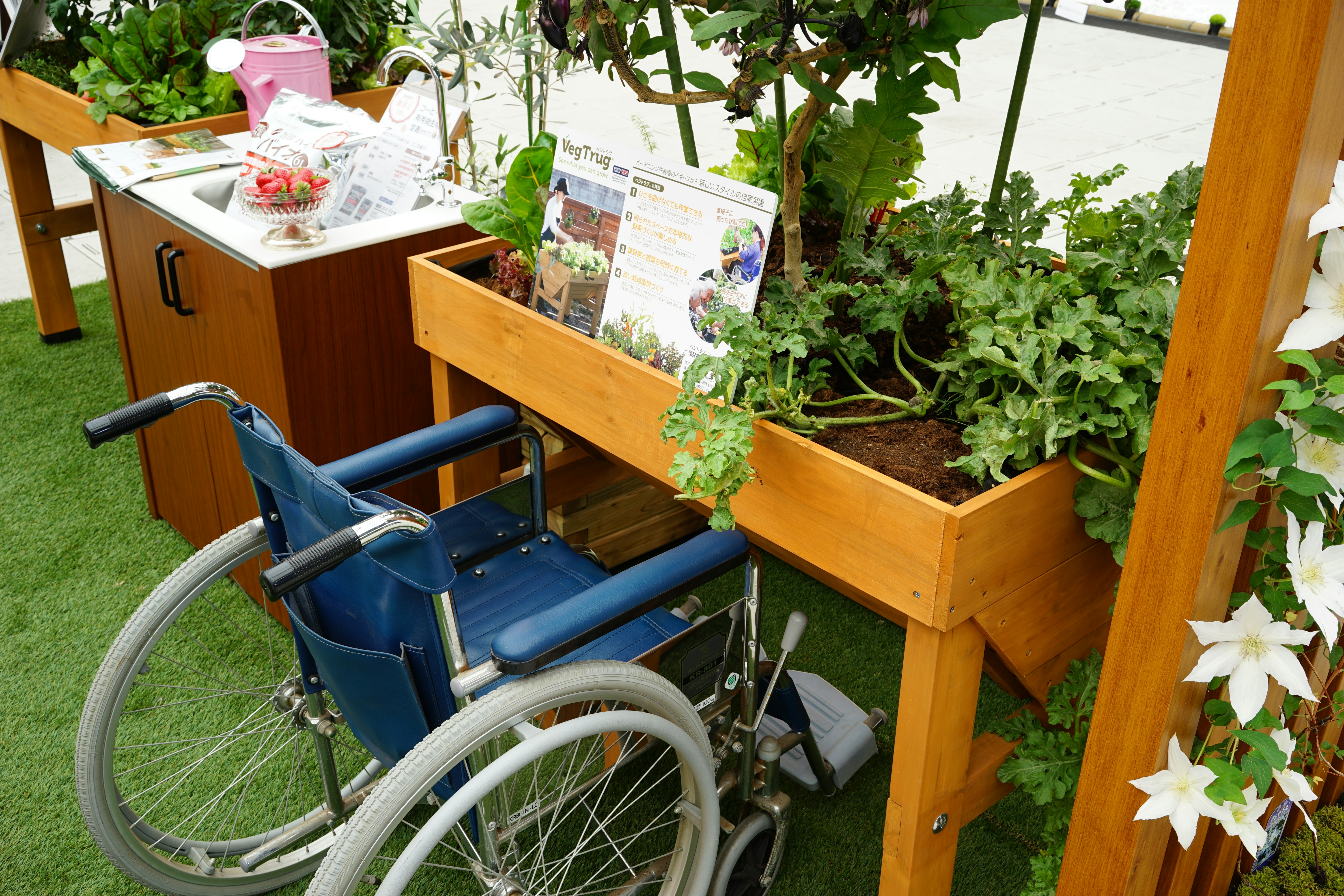
Accessibility is another significant advantage offered by raised gardens. For individuals with mobility issues or physical constraints, bending down to tend to plants in a traditional garden can be challenging. Raised beds can be built to a height that eliminates the need for bending, allowing for easier access. Furthermore, the defined boundaries of raised gardens help keep the planting area organized and discourage weeds, reducing the overall maintenance required compared to traditional gardening methods.
In summary, raised gardens provide an innovative solution that enhances soil quality, improves drainage, and increases accessibility for gardeners. Their versatile designs and construction materials cater to a variety of gardening preferences, making them an increasingly popular choice among gardening enthusiasts and novices alike.
Benefits of Raised Gardening
Raised gardening offers numerous advantages that can significantly enhance the gardening experience for both novice and seasoned gardeners alike. One of the most notable benefits is the ease of access; by elevating the garden beds, individuals can minimize back strain associated with traditional ground-level gardening. This elevated height allows for comfortable planting, weeding, and harvesting, particularly beneficial for those with mobility issues or chronic pain conditions.
Another compelling reason to consider raised gardening is the extension of growing seasons. Elevated beds typically warm up faster in the spring, which means that gardeners can plant earlier and extend the overall growing period into the fall. This extended growing season can lead to increased yields, as plants have more time to flourish. Furthermore, raised gardens can be designed to fit within specific climate conditions, allowing for greater adaptability and protection from unexpected weather fluctuations.
Control over soil conditions is also a significant advantage of raised gardening. Gardeners can customize the soil mixture to optimize drainage and fertility, ensuring that plants receive the nutrients they require for healthy growth. This tailored approach can lead to stronger plants that resist diseases and pests more effectively. Additionally, the elevated structure reduces soil compaction, facilitating better root development and water infiltration.
Aesthetically, raised gardens can enhance landscaping by providing structure and visual interest. They can be designed in various shapes, sizes, and materials, allowing for creative expression alongside functional gardening. With the ability to choose attractive borders and planters, raised gardening can transform any outdoor space into a vibrant vegetable or flower garden.
Statistical studies suggest that raised garden beds can produce up to 20% higher yields compared to traditional gardening methods, making it an appealing option for those looking to maximize their gardening efficacy while enjoying all the practical benefits.
How to Start a Raised Garden
Starting a raised garden offers an effective way to grow your own plants while improving accessibility and soil quality. The first step in establishing a raised garden is to select an appropriate location. Choose a spot that receives ample sunlight, ideally at least six to eight hours a day. It’s also essential to ensure that the area has good drainage and is easy to access for regular maintenance.
Once you have chosen a location, the next step is to decide on materials for constructing the garden bed. Common options include untreated wood, bricks, or composite materials. Wood is a popular choice because it is readily available and easy to work with; however, be cautious around treated wood, as chemicals can leach into the soil. Aim for a raised bed height of 12 to 24 inches, which helps with drainage and prevents soil compaction.
After constructing the garden bed, focus on selecting the right soil. A mix of topsoil, compost, and peat moss usually yields the best results. This combination provides essential nutrients and promotes healthy root growth. Ensuring adequate pH levels, typically between 6.0 and 7.0, will also support plant health.
When planning your garden, consider what plants you wish to grow, taking into account their sunlight, spacing, and water needs. Opt for companion planting, which can enhance growth and help deter pests. Tools are essential for any gardening project; a few necessary items include a trowel, spade, watering can, and gardening gloves.
Finally, regular maintenance is essential for a thriving raised garden. This includes monitoring soil moisture, weeding, and providing suitable fertilizers. By adhering to these practices, your raised garden can flourish and provide fresh produce or vibrant flowers for your enjoyment.
Common Challenges and Solutions
Starting a raised garden can be an exciting venture, yet beginners often encounter various challenges that may hinder their gardening experience. One prominent issue is the rapid draining of soil in raised beds. This can lead to insufficient moisture for the plants, especially in hot, dry weather. A practical solution is to incorporate organic materials such as compost and mulch into the soil mix. These elements not only improve water retention but also enhance soil structure, providing a healthier environment for root growth. Additionally, installing a drip irrigation system can help maintain consistent moisture levels, ensuring that plants thrive.
Another common challenge faced by novice gardeners is managing weeds. Weeds can quickly take over a raised garden bed, competing with your plants for nutrients and water. To combat this, consider using landscape fabric or a layer of cardboard at the base of your raised bed before filling it with soil. This barrier can effectively suppress weed growth while allowing water and nutrients to pass through. Regularly monitoring your garden for emerging weeds and removing them by hand can also help keep your raised garden manageable and productive.
Pest infestations present another hurdle for raised garden enthusiasts. Pests like aphids, beetles, and snails can significantly impact plant health. To prevent these unwelcome guests, it is beneficial to establish a diverse planting scheme. Marigolds are a common companion plant known to repel various pests, while attracting beneficial insects such as ladybugs that prey on harmful species. Setting up physical barriers like row covers can also provide a protective layer against pests. By addressing these common challenges with practical solutions, beginners can cultivate a thriving raised garden and enjoy the many rewards that gardening has to offer.